

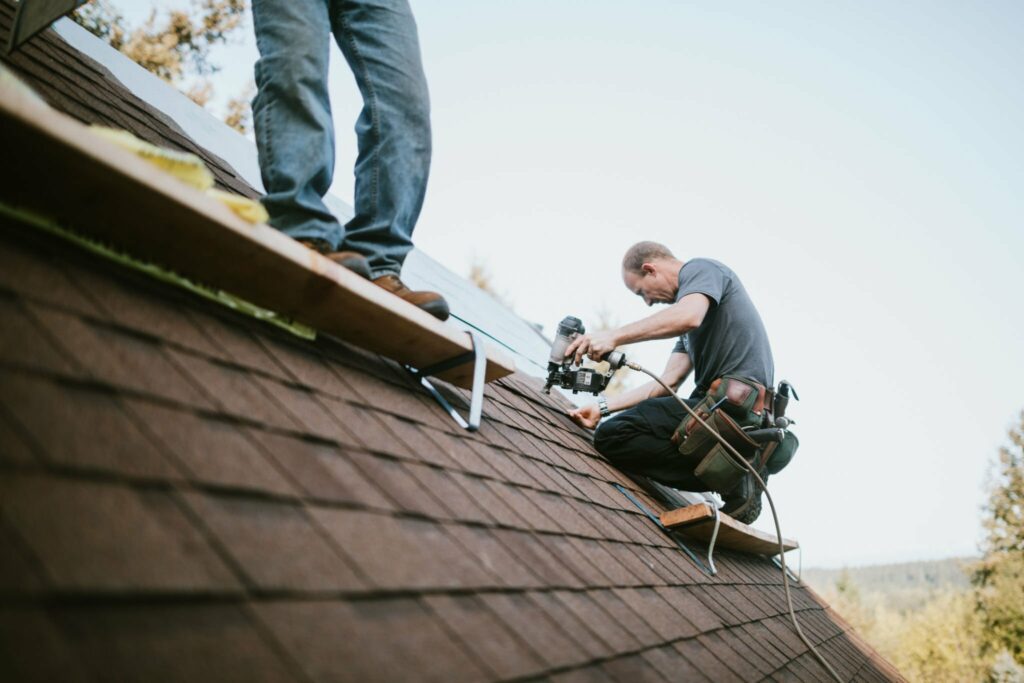
You are not alone! This is a major decision. The timing of a project can have a huge impact on everything, from the smoothness of the project to the lifespan and durability of your roof. Get a few estimates and inspections from a reputable roofer in your area to determine the best time for you to replace your roof.
We’ll go over some general factors so that you know when to replace your roof.
Table of Contents
ToggleWhen Is the Best Time to Replace Your Roof?
Spring and fall are the best times to install a new roof.
Why spring and fall are the best seasons to replace your roof
- The Temperature is Just Right. It is often best to have shingles adhere and seal at warmer temperatures. This will ensure a strong bond. In cold weather, shingles will not adhere properly.
- Dryer Days Are Your Friends. In numerous regions, spring and autumn provide more consistent weather and drier conditions. Less rain-related delays enable a faster, more seamless installation.
- Prepare for Harsh Weather. A brand new roof installed in late spring will help you prepare for the potentially stormy months of summer. A fall replacement will ensure you are protected and ready for winter.
What happens if your roof needs to be replaced outside the window you have chosen? If you need a roof installed in an emergency, a good roofer will be able to do it year-round. They will find ways to do the job in extreme weather. If you have the will to do it, then there is a way. Or they could offer roof repairs and then replace the roof in better conditions.
Roof Replacement Guidelines for Every Region
The vast climate range of the United States can mean that the perfect window will vary depending on where you are located.
Here are some recommendations for the main regions of the country.
- The Northeast. The best times to travel are late spring and early autumn. The moderate temperatures will be there without the spring rains and the threat of snow.
- Southeast. Here, spring is the most popular season. You can avoid the extreme heat of summer and the hurricane season.
- The Southwest. The spring and fall seasons are the best times to avoid the hot summers and monsoons.
- Pacific Northwest. The driest, mildest weather is found in late spring, early summer, and early fall. The summer is the most predictable season, but spring and fall can also be wonderful.
- The Midwest. The shingles are sealed by the hotter temperatures in late spring and summer. Keep an eye out for summer storms.
Disclaimer: Only basic instructions are provided here. Your local weather patterns will help you decide when your roof should be replaced. Always consult a reliable local roofer.
What Are the Advantages and Disadvantages of Roofing in Various Weather Situations?
- Setting your roof during sweltering vs. cold temperatures has possible advantages and disadvantages; more information about this follows.
- Late Summer, Early Autumn: Warm Weather
Pros
- Optimal Shingle Adhesion. In hot conditions, asphalt shingles stick to each other rather nicely. Sealing the roof produces an airtight barrier that is essential for avoiding early failure.
- Longer Daylight Hours. The longer daylight hours give roofing crews more time to install roofs.
Cons
- Material handling challenges in extreme heat. In extreme heat, some roofing materials become sticky or too soft to handle.
- Summer Storms are at a greater risk. Summer can bring unpredictability to thunderstorms, depending on where you live. Storms of this nature can cause work to be halted and damage roof decks.
- Demand at Peak Season. Usually busiest throughout the warmer months are roofing contractors. Because demand is greater during the warmer months, roofers may charge more.
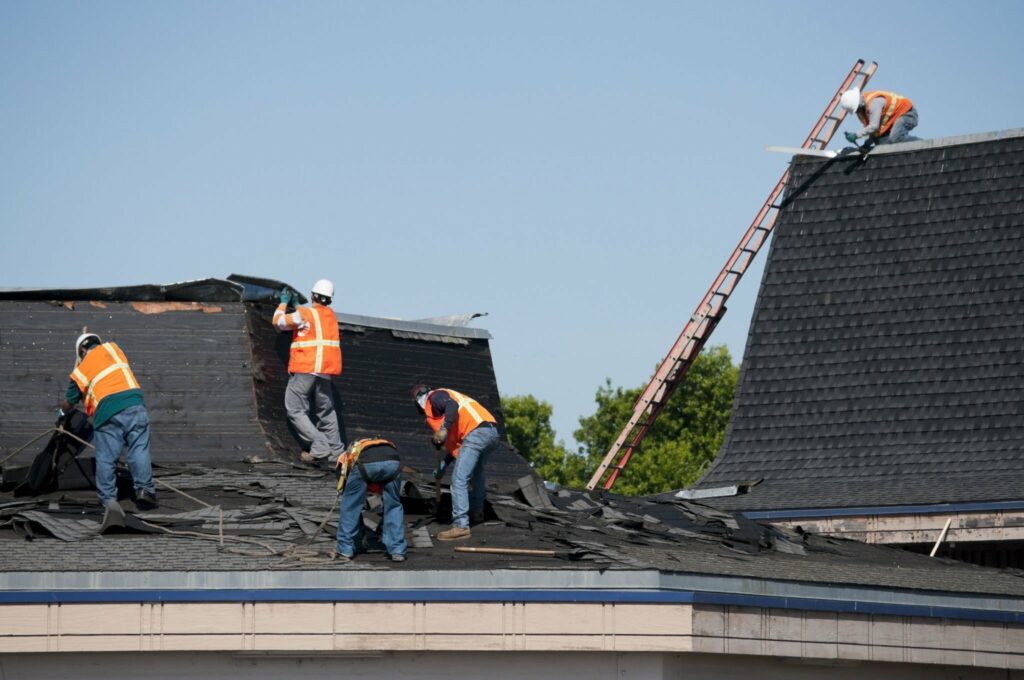
Cold weather (late fall, winter, early spring)
Pros
- A faster scheduling. The late fall and winter are often slower times for roofing contractors. Offering more flexibility in scheduling and faster project start-up.
- Potentially More Cost-Effective Calculations. Off-season, some contractors may offer discounts or lower prices because there is less demand.
Cons
- Poor Shingle Adhesion. Cold temperatures could stop asphalt shingles from melting or sticking. A weaker seal means a roof less secure and less water-tight, therefore raising the possibility of wind damage. It may be necessary to use special installation techniques or hand-sealing.
- Shorter Daylight Hours. Fewer daylight hours equal less daily work accomplished. This could possibly increase the project’s timeframe.
- Weather Delays. Winter weather can lead to unpredictable delays.
Truth Be Told…roofers Can Roof Year-Round
The ideal circumstances for a roof replacement often present themselves in early fall or late spring in many areas. Knowing your local climate and any difficulties that could come from other times is vital. Contact a reliable roofer for inspection if you are not certain.
The time, roofing material, and weather will all influence a roofing project’s budget and timeline. A great roofer will solve problems to get you a roof as soon as you need it.
Call a local roofing contractor for an estimate and inspection when in doubt! We offer residential and commercial roof services across the United States. Visit the Locations page for your local RoofElite. You can also book a FREE inspection.
FAQs
During the winter, may you replace a roof?
You can, but doing so is not always best. Cold conditions can make it more difficult to appropriately seal shingles, and the shorter daylight hours can slow things down. That said, experienced roofers know methods to make an emergency work even in freezing circumstances.
What season is the most affordable for roof replacement?
Usually, because it’s the off-season for many roofing businesses, late fall or winter might be more budget-friendly. Contractors with less hectic schedules could lead to more flexible scheduling and perhaps cheaper costs. Keep in mind that weather conditions could lengthen the project timeframe.
Generally speaking, how long does it take to rebuild a roof?
Most residential roof replacements take one to three days, depending on the size of your home, the materials being employed, and the weather. Larger or more complicated roofs might need a week. After checking your roof, a competent contractor will provide you with a precise timeline.